
The Black Girlhood Archive
About The Archive
The Black Girlhood Archive is a living repository dedicated to documenting, preserving, and interpreting the experiences of Black girls. Our work centers on the social, cultural, contemporary, and historical dimensions of Black girlhood, recognizing the ways Black girls have shaped, and continue to shape their communities, culture, and history.
Through the collection of artifacts, media, personal narratives, and cultural expressions, the archive provides a resource for community members, scholars, educators, and artists to examine the complexity and diversity of Black girlhood. By foregrounding the voices and experiences of Black girls, the archive challenges reductive stereotypes and highlights their contributions to culture, politics, and everyday life.
The archive operates as both a scholarly resource and a community space. We aim to foster dialogue, education, and critical engagement while ensuring that Black girls themselves are visible and celebrated within the historical record.
New Collections In Progress
We’re excited to announce that our holdings are growing with several new collections. Materials are arriving gradually and are currently being processed. Researchers can contact us for updates or to inquire about items already received.
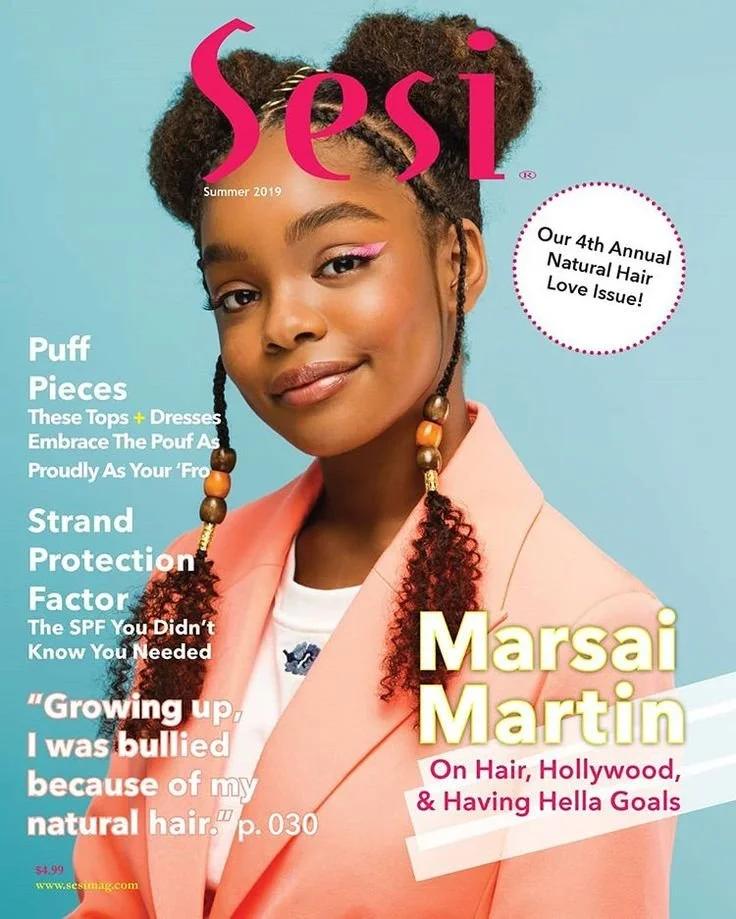
Sesi Magazine by Andréa Butler

Buford High Series and Author Papers
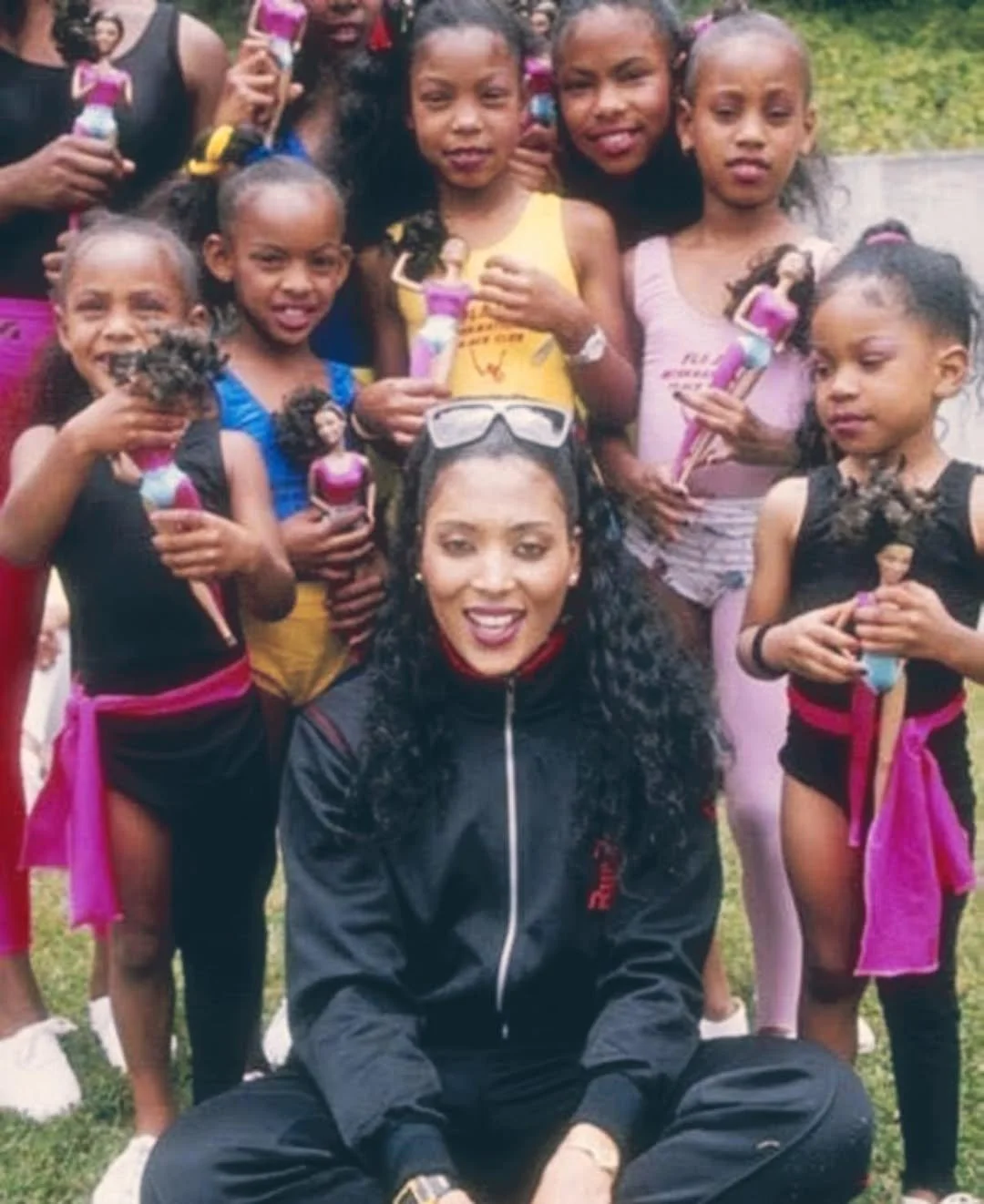
Black Doll Archive
Venus: A Contemporary Archive by The Black Girlhood Archive
Venus is a contemporary archival initiative dedicated to documenting Black girl and womanhood as it is lived, produced, and circulated in the present. While traditional archives often rely on historical distance, Black Venus intervenes earlier, recognizing Black girls as active cultural subjects whose lives, creativity, and social worlds merit preservation now, not retroactively.
This archive centers everyday Black girlhood experiences, including digital media, performance, fashion, ritual, and community life. Materials may include social media content, personal documentation, visual culture, dance, popular media, and other forms of cultural expression that are frequently dismissed as ephemeral or informal. Black Venus treats these materials as historically significant, understanding them as sites where identity, memory, and cultural knowledge are actively formed.
Grounded in Black feminist theory and informed by critiques of archival violence and erasure, Venus operates with an ethical commitment to care, consent, and contextualization. The archive prioritizes responsible documentation practices that respect the agency of living subjects, acknowledging that contemporary materials require flexible access, evolving permissions, and thoughtful stewardship.
Venus exists alongside the historical holdings of The Black Girlhood Archive, creating a continuum between past and present. Together, these collections affirm that Black girl and womanhood are not only something to be remembered, but something to be witnessed, preserved, and understood in real time.
New ‘Venus’ Collections In Progress
We’re excited to announce that our contemporary holdings are growing with several new collections. Materials are arriving gradually and are currently being processed. Researchers can contact us for updates or to inquire about items already received.
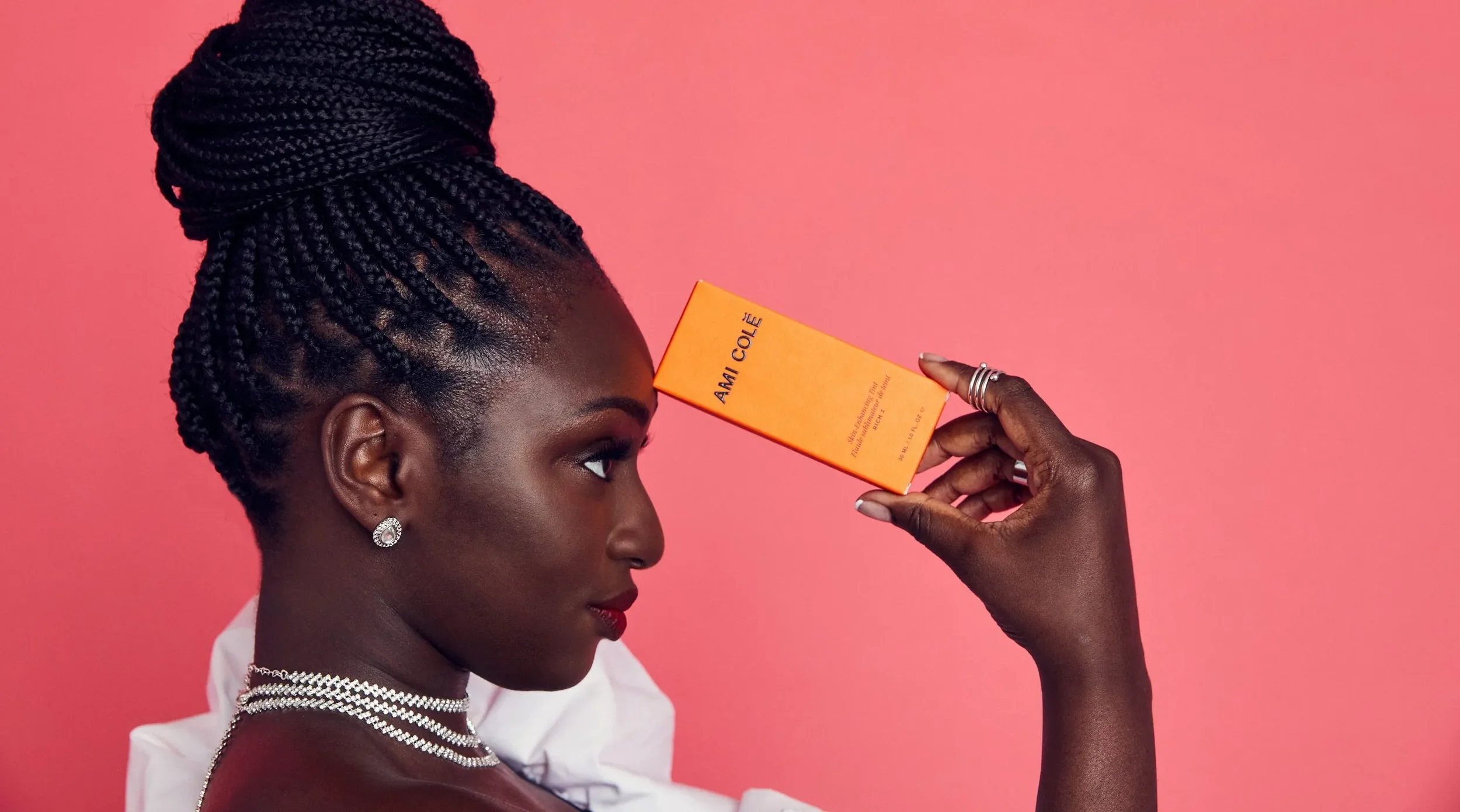
Ami Cole by Diarrha N'Diaye-Mbaye
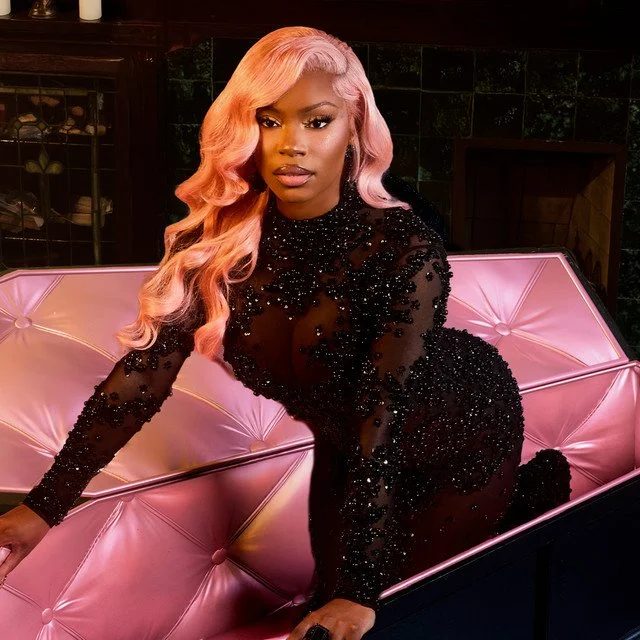
Leondra “Monaleo” Roshawn Gay-Caldwell Archives
Archival Research Cohorts
The Black Girlhood Archive research cohorts are structured, time-bound inquiry groups designed to produce original documentation, analysis, and archival materials centered on Black girlhood. Each cohort operates as both a study group and a fieldwork collective, combining theory, lived experience, and material culture to generate primary sources for the archive.
The purpose of the cohorts is threefold.
First, the cohorts create new archival records where gaps exist. Black girlhood is historically under-documented, miscategorized, or flattened into statistics and pathology. Research cohorts intervene by intentionally producing records that capture Black girls’ cultural practices, intellectual labor, and everyday decision-making as historically meaningful.
Second, the cohorts function as a training ground for Black feminist archival practice. Participants learn how to think archivally by asking what counts as evidence, who gets to narrate experience, and how memory becomes history. Cohorts emphasize ethical documentation, consent, context, and care, particularly when working with personal and community materials.
Third, the cohorts position Black girls and Black women as knowledge producers, not subjects. Rather than extracting stories, cohorts center participant-led inquiry. Members document their own practices, communities, and lineages, whether through visual culture, oral history, writing, or material artifacts. The resulting work becomes part of the archive as curated, contextualized collections rather than raw submissions.
Cohorts are organized around specific research lenses such as style, reading practices, education, place, or cultural production. Each cohort produces a defined set of archival outputs which may include essays, annotated collections, oral histories, visual documentation, and public-facing exhibitions or reports. These outputs are accessioned into the archive as discrete collections, ensuring both scholarly rigor and long-term preservation.
At their core, the research cohorts exist to slow down, deepen, and formalize Black girl knowledge. They resist the urgency and disposability of contemporary content culture by prioritizing sustained inquiry, collective thinking, and durable records. The cohorts make it possible for Black girlhood to be studied with the seriousness, complexity, and care it has always deserved.
UPCOMING COHORT OPPORTUNITIES
Ami Cole Archival Research Cohort - Application Opens April 20, 2026